
Giving a recorded statement for a negligent security injury could hurt your ability to recover compensation. Call our office for expert legal advice.
Question:
Should I be giving a recorded statement for a negligent security injury to the insurance company?
Answer:
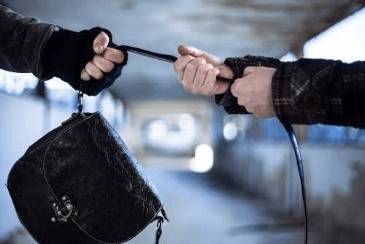 It is never a good idea to speak to the insurance adjuster representative for the premises or to the premises representative. Chances are these representatives are asking you questions in a way that isn’t aimed at getting the entire truth. Their purpose is to try to get you to say something that absolves their client or their company from being responsible for the damages that they have caused.
An experienced trial lawyer with experience in this area of the law knows this, and they will know how to guide a client through the entire legal process. If you have any questions about this issue or your negligent premises security case in general, please give us a call. We stand ready, willing and able to answer your questions.
Here’s how we prove our case:
There are a few places in which a negligence security incident can take place. They include:
- Shopping malls
- Public stores
- Hotels
- Gas stations
- Grocery stores
- Strip malls
- Parking lots
If you want to have a successful negligent security case, there are a few things that you need to be aware of. While you may be able to bring your injury case against the person who is personally responsible for harming you, it is often a more successful avenue to bring your claim against the owner of the property where you were harmed. With that approach, you go after negligent security damages rather than a civil case against one person who you may or may not be able to track down.
To successfully bring your negligent security case, you need to do four things:
- You need to prove that the property was owned by the liable party where you were seriously injured.
- You need to prove that there was knowledge that the conditions of the property left room for injuries and that no one took any prevention measures.
- You need to prove that the security at the property was insufficient.
- You need to prove that, because of all these factors, you were harmed.
Were you or a loved one seriously injured due to inadequate security in Texas and have questions about giving a recorded statement for a negligent security injury to an insurance company? Contact the experienced El Paso negligent security lawyers at Chavez Law Firm today for a free case evaluation and case evaluation. Let our experience work for you.
Like us on Facebook

|
|
|