
Social media activity can significantly impact the value and outcome of a Texas personal injury claim. Insurance companies and defense lawyers regularly review online posts, photos, and comments to challenge injury severity, question credibility, and reduce compensation. Even harmless updates may be used against an injured person when taken out of context. Chavez Law Firm helps injured clients understand how digital activity affects claims and how to avoid mistakes that can weaken recovery under Texas law.








Chavez Law Firm in El Paso, Texas, frequently advises clients that what appears online after an accident can become just as important as medical records or witness statements. This is because modern injury claims are not evaluated in isolation anymore. They are analyzed through every available piece of information, including social media history, tagged photos, and even content shared by friends or family members.
After an accident, most people continue using social media without realizing that every post can be examined during a legal claim. A simple photo, location check-in, or comment can become part of a larger effort by insurance companies to reduce compensation. Chavez Law Firm has seen many cases where online activity created unnecessary challenges in proving the full extent of injuries or losses.
Insurance adjusters often begin investigating social media immediately after a claim is filed. They look for inconsistencies between what a person reports in their medical treatment and what appears online. Even when a person is genuinely injured, a single image showing them smiling at an event or participating in light activity can be used to suggest that their injuries are not serious. This is why understanding how online behavior fits into a Texas personal injury case is essential from the very beginning.
Why Social Media Becomes Evidence in Injury Claims 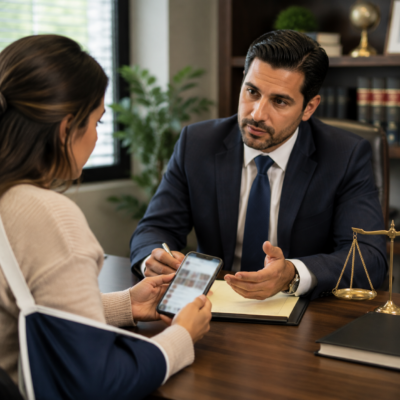
Social media platforms are often treated as informal diaries of daily life. In a legal context, however, they can become powerful evidence. Insurance companies use publicly available content to build arguments about a person’s physical condition, emotional state, and daily limitations.
Common types of content reviewed include personal photos, comments on friends’ posts, tagged locations, and even reactions such as likes or shares. These details may seem minor, but when combined, they can be used to create a narrative that does not reflect the full reality of an injury.
Insurance companies are not looking for complete context. They are looking for selective details that support their position. A single post showing physical activity may be used to argue that a person is capable of working or performing normal daily tasks, even if that activity caused pain or was limited in duration.


Enrique Chavez
Texas Trial Attorney
Protecting Your Rights
How Credibility Affects Injury Compensation
Credibility plays a major role in determining the value of a personal injury claim. Medical records, witness statements, and expert opinions are all evaluated alongside any information available online. If an insurance company believes that a person’s online presence contradicts their injury claims, it may reduce settlement offers or increase resistance during negotiations.
A common issue arises when individuals post updates about their recovery. Even positive messages about “feeling better” can be misinterpreted as evidence of full recovery. In reality, recovery from an injury is rarely linear, and symptoms often fluctuate. However, online posts do not reflect these nuances, which makes them risky during an active claim.
This is why legal teams like Chavez Law Firm often recommend limiting all public-facing updates until the case is resolved.
Common Social Media Mistakes After an Accident
Many individuals unintentionally weaken their claims through normal online behavior. These actions are rarely malicious but can still create problems in a legal setting.
Some of the most common mistakes include posting photos from social events, sharing travel updates, commenting on physical activities, or discussing the accident in detail. Even posts unrelated to the accident can be misinterpreted if they show physical movement or emotional expression that contradicts reported symptoms.
Another issue involves tagging. Friends and family may tag injured individuals in posts or photos that show them in situations that appear inconsistent with their injury claims. Even if the injured person did not create the content, it can still be reviewed during a case.
For additional guidance on avoiding common errors after a crash, see:
https://chavezlawfirm.law/Common-Mistakes-After-a-Car-Crash/
Privacy Settings Do Not Fully Protect You
A widespread misconception is that private accounts are safe from legal review. While privacy settings can limit public visibility, they do not guarantee protection during a legal dispute. Courts may allow discovery of private content if it is considered relevant to the case.
Even deleted content may not be fully removed from the internet. Screenshots, backups, and cached versions can preserve posts long after they are removed. This means that anything shared during a case may still become part of the evidence reviewed by insurance companies or attorneys.
Because of this, the safest approach is to assume that anything posted online could eventually become visible in a legal context.
– Steve Hendrix – Adriana Solis – Luis Amador – Maria Terrazas


How Online Activity Impacts Medical Evidence
Medical treatment is one of the most important components of a personal injury claim. Doctors document symptoms, limitations, and recovery progress. When social media activity appears inconsistent with medical records, it can create questions about the accuracy of the claim.
For example, if medical notes indicate restricted mobility but online posts show travel or physical activity, insurance companies may argue that the injury is less severe than reported. This does not mean the injury is not real, but it can create doubt that affects compensation.
To better understand how damages are evaluated, visit:
https://chavezlawfirm.law/Determining-the-Value-of-a-Car-Accident-Claim/
Recorded Statements and Digital Behavior
Insurance companies often combine social media reviews with recorded statements to identify inconsistencies. A statement made during a call with an insurance adjuster can be compared with online content to challenge credibility.
Even small differences in wording or timing can be used to question reliability. This is why individuals are encouraged to be careful about what they say both online and during insurance communications.
More information about this process is available here:
https://chavezlawfirm.law/Giving-a-Recorded-Statement-After-a-Car-Accident/
How Social Media Can Influence Medical Expenses and Recovery
Online activity may also affect how insurers evaluate medical expenses. If social media posts suggest a higher level of physical activity than reported in treatment records, insurers may argue that certain treatments are unnecessary or excessive.
This can lead to disputes over medical bills and recovery timelines. In some cases, it may also affect how future treatment is viewed or approved.
For more context on medical billing after an accident, visit:
https://chavezlawfirm.law/Who-Pays-My-Medical-Bills-After-a-Car-Accident/
Steps to Protect Your Injury Claim Online
Protecting a personal injury claim requires careful attention to online behavior. The safest approach is to reduce or pause social media activity until the case is resolved. This helps prevent misunderstandings and reduces the risk of unintended evidence being created.
Practical steps include avoiding new posts, refraining from sharing location updates, not commenting on physical activities, and asking friends and family not to tag you in content. It is also important to avoid discussing the accident or recovery process publicly, even in private groups.
Legal guidance can also help ensure that communication with insurance companies and others involved in the case remains consistent and accurate. Additional steps after an accident can be reviewed here:
https://chavezlawfirm.law/Steps-to-Take-After-a-Car-Accident-in-Texas/
Why Legal Guidance Matters
Personal injury claims involve both legal strategy and evidence management. Chavez Law Firm helps clients understand how every part of their case, including online activity, may be viewed by insurance companies. This guidance is especially important in cases involving serious injuries where compensation depends heavily on documentation and credibility.
Having legal representation also helps prevent common mistakes that can reduce compensation or delay resolution. From the earliest stages of a claim, careful communication and evidence handling can make a meaningful difference in the outcome.
More information about representation is available here:
https://chavezlawfirm.law/El-Paso-Personal-Injury-Lawyers/
Social media can play an unexpected role in Texas personal injury cases. What seems like harmless online activity may be interpreted in ways that affect credibility, medical evaluation, and compensation. Being cautious with digital behavior after an accident is one of the simplest ways to protect a claim.
Chavez Law Firm works with injured clients to help them avoid these risks and pursue fair compensation under Texas law.
Disclaimer
This content is for informational purposes only and is not legal advice. Consult an attorney regarding your specific situation.

|
|
|