
If you were involved in a motorcycle crash in El Paso this May, the legal team at Chavez Law Firm is ready to help you understand your rights and protect your recovery. Motorcycle accidents often involve complex liability issues, and even if you were wearing protective gear, including a helmet, you may still be entitled to compensation for your injuries. In Texas, comparative negligence rules mean that your damages can be reduced if you share fault, but wearing a helmet does not prevent you from pursuing a claim. Road rash, head injuries, and other visible trauma are critical pieces of evidence that can illustrate the severity of your injuries and help secure the compensation you need to cover medical costs, lost income, and pain and suffering.





The Importance of Helmets in Injury Claims 
Helmets are legally required in Texas for certain riders and serve as a primary means of protection. In legal proceedings, insurance adjusters may attempt to argue that your helmet prevented more severe injuries, aiming to minimize payouts. However, wearing a helmet does not negate the fact that you still suffered harm. Documenting the helmet you wore during the crash is essential. Photographs taken at the scene, statements from witnesses, and medical reports can provide crucial evidence. Attorneys at Chavez Law Firm carefully evaluate helmet condition, brand, and proper usage to demonstrate that your injuries are significant even with safety equipment. By presenting a clear picture of the helmet’s protective role and the injuries sustained, legal advocates can strengthen your claim against insurance tactics that seek to understate your suffering.
Documenting Road Rash and Visible Injuries
Road rash is a common injury in motorcycle accidents, occurring when skin is scraped against asphalt. While some may perceive road rash as minor, severe cases can involve deep lacerations, infection, and long-term scarring. Documenting these injuries is vital. Take high-resolution photos immediately after the crash and continue documenting healing progress. Medical records, doctor notes, and treatment reports further corroborate the severity of the injury. Other visible injuries—bruising, broken bones, and abrasions—should be similarly documented. Chavez Law Firm emphasizes comprehensive evidence gathering to provide a holistic view of your injuries. Detailed injury documentation allows attorneys to argue effectively for compensation that reflects both immediate and future medical needs, as well as emotional and physical suffering.

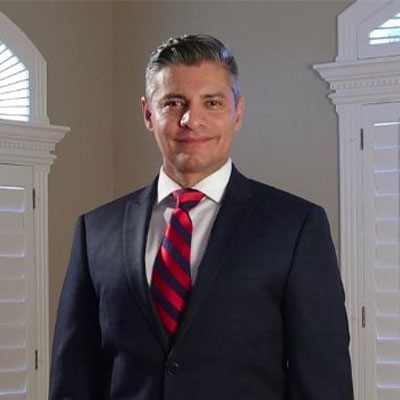
Enrique Chavez
Texas Trial Attorney
Protecting Your Rights
Building a Case with Thorough Evidence
The strength of a claim often depends on the evidence collected. Key forms of documentation include:
- Photographs of the crash site, motorcycle damage, and injuries
- Medical records and treatment summaries
- Witness statements describing the accident and aftermath
- Police reports or citations issued at the scene
- Maintenance records or traffic conditions that may have contributed
Collecting this evidence promptly ensures that details are preserved and accurately recorded. Insurance companies may seek to downplay the accident or attribute fault to the injured rider, so robust evidence is essential. Chavez Law Firm prioritizes meticulous documentation to build a comprehensive case that reflects both the accident and the resulting injuries.
How Attorneys Use Helmet and Road Rash Evidence
Experienced El Paso attorneys use helmet and injury documentation to demonstrate the severity of a crash and establish liability. By combining medical reports, photographs, and eyewitness accounts, lawyers can create a compelling narrative that shows the extent of physical trauma. In cases involving road rash, expert testimony may be employed to explain long-term treatment, infection risk, and potential scarring. Chavez Law Firm carefully analyzes every detail, including helmet type, condition, and usage, to counter claims that protective gear minimized injuries. This strategic approach ensures that insurance companies address the full scope of damages and do not undervalue claims.
– Steve Hendrix – Adriana Solis – Luis Amador – Maria Terrazas


Addressing Insurance Company Tactics
Insurance adjusters may attempt to reduce settlements by emphasizing helmet usage or suggesting road rash injuries are superficial. Attorneys at Chavez Law Firm counter these tactics by presenting clear, professional evidence, including medical documentation and expert opinions. Demonstrating that injuries required significant medical attention or caused lasting effects strengthens negotiation positions and prepares the case for litigation if necessary. Knowledgeable legal representation ensures that insurers cannot rely on common misconceptions about protective gear or superficial injuries to deny rightful compensation.
Understanding Comparative Negligence in Texas
Texas law follows the principle of comparative negligence, which means compensation can be reduced if the injured rider shares fault for the accident. This does not prevent recovery; instead, damages are adjusted proportionally. Properly documenting helmet use, road rash, and other injuries allows attorneys to argue that even if minor fault exists, the majority of liability rests with the responsible party. Chavez Law Firm evaluates accident dynamics, traffic conditions, and witness testimony to quantify the degree of fault accurately, maximizing potential compensation while remaining compliant with Texas law.
Medical Documentation and Long-Term Recovery
Road rash and head injuries may require ongoing medical treatment. Photographs taken over time, medical invoices, and records of rehabilitation or physical therapy provide tangible proof of the injuries’ long-term impact. Insurance companies may attempt to limit settlements to initial treatment costs, ignoring follow-up care or chronic effects. By maintaining meticulous medical records, Chavez Law Firm demonstrates both immediate and long-term costs, ensuring that settlements or jury awards reflect the full spectrum of injury-related expenses, including ongoing care, lost wages, and diminished quality of life.
The Role of Witnesses in Motorcycle Accidents
Witness statements can confirm helmet use, the sequence of the crash, and the immediate severity of injuries. Bystanders or other drivers at the scene can provide critical testimony, countering insurance claims that minimize fault or injury severity. Chavez Law Firm systematically collects and analyzes witness accounts to strengthen the narrative of the crash. Statements are corroborated with photographs, medical records, and police reports to ensure consistency and credibility in negotiations or courtroom proceedings.
Next Steps After a Motorcycle Crash in May
If you were involved in a motorcycle crash in El Paso this May, immediate action is crucial. Seek medical care promptly, document injuries, photograph the scene, and contact legal representation as soon as possible. Chavez Law Firm provides a free consultation to review your case, advise on evidence collection, and explain your rights. Acting quickly preserves critical details, strengthens your claim, and protects your ability to recover full compensation.
Questions Frequently Asked by Motorcycle Accident Victims
- Does wearing a helmet reduce compensation? While it may factor into assessments, helmets do not negate your right to full recovery.
- How should road rash be documented? Photograph injuries immediately, seek medical attention, and maintain all records.
- What happens if I share partial fault? Texas comparative negligence applies, but your claim remains valid, and damages are adjusted proportionally.
- How can I protect my rights? Contact experienced attorneys, gather evidence promptly, and follow medical advice closely.
If you or a loved one were injured in a May motorcycle crash in El Paso, do not wait to protect your legal rights. Contact Chavez Law Firm at https://chavezlawfirm.law/contact-us for a free consultation. Our experienced attorneys guide you through documenting helmet use, road rash, and other critical evidence to ensure that your recovery is fully supported.
Disclaimer:
This information is for general purposes only and does not constitute legal advice. Consult an attorney regarding your specific circumstances.
To learn more about this subject click here: Determining Fault in a Motorcycle Accident

|
|
|