
Blackout Wednesday, the day before Thanksgiving, is becoming infamous for its heavy drinking. Traditionally, it’s a time for people to reconnect with old friends and family members, leading to crowded bars and plenty of alcohol consumption. While many people enjoy a good night out, the reality is that the night often results in an increase in drunk driving accidents. In fact, Blackout Wednesday sees a rise in DUI crashes, injuries, and fatalities. What happens, though, if a patron is overserved alcohol at a bar and goes on to cause a DUI crash? Can the bar be held liable for these consequences?


Texas has specific laws regarding alcohol consumption and liability for bars that overserve their patrons, especially under circumstances like Blackout Wednesday. Let’s explore how Texas law addresses this issue and whether bars can be held responsible for DUI crashes resulting from overserving.
Texas Dram Shop Laws and Overserving Liability 
Texas law governs the way alcohol is served through the Texas Dram Shop Act. Under this law, bars, restaurants, and other alcohol-serving establishments can be held liable if they serve alcohol to an intoxicated person who later causes harm to themselves or others. The law was created to protect the public from the dangers of overserving alcohol, particularly when it leads to accidents like DUI crashes.
The question of whether a bar can be held liable for a DUI crash resulting from overserving alcohol on Blackout Wednesday depends on several factors. Under the Texas Dram Shop Act, the key factors are:
- Was the patron visibly intoxicated when served alcohol?
- Did the intoxicated patron cause harm, such as an accident, after being served alcohol?
- Was the harm directly linked to the alcohol served at the bar?
If these elements are met, a bar could be found liable for a DUI accident, meaning the victims could potentially sue the bar for damages.
What Does “Overserving” Mean in Texas?
In the context of Texas law, overserving means that a bar or restaurant continues to serve alcohol to a patron who is already showing signs of intoxication. These signs can include stumbling, slurred speech, or difficulty staying awake. Under the Texas Dram Shop Act, staff members at bars and restaurants are responsible for ensuring that they do not serve alcohol to customers who are already visibly intoxicated.
It is important to note that Texas law does not require a bar to stop serving alcohol to someone who is merely “buzzed.” The law requires that the person be visibly intoxicated, which can be somewhat subjective and open to interpretation. However, if a patron’s behavior is clearly erratic, such as excessive loudness, swaying, or slurring their words, the bar should stop serving them.

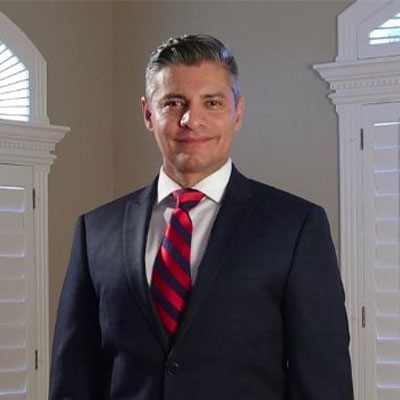
Enrique Chavez
Texas Trial Attorney
Protecting Your Rights
Can a Bar Be Held Liable for a DUI Crash on Blackout Wednesday?
The critical issue in determining whether a bar can be held liable for a DUI crash on Blackout Wednesday is whether the bar continued to serve alcohol to an intoxicated person who then caused harm. To prove this, the victim or their attorney would need to show that:
- The bar continued serving the person alcohol even after they were visibly intoxicated.
- The intoxicated individual caused a DUI crash as a direct result of the alcohol served by the bar.
- There is clear evidence linking the accident to the alcohol served, such as surveillance footage, witness testimony, or BAC (blood alcohol concentration) testing that shows the driver’s intoxication level.
Proving Liability: The Role of Evidence
When it comes to dram shop liability, evidence is critical. To win a case against a bar for overserving alcohol, the victim must show the bar’s role in the DUI crash. This can be difficult, as it often requires gathering substantial evidence. The types of evidence that may be used to prove the bar’s liability include:
- Witness Testimony: If witnesses saw the patron at the bar showing signs of intoxication, this testimony can be crucial in establishing that the bar overserved them.
- Surveillance Footage: Many bars have security cameras, and footage showing the patron’s behavior can help demonstrate whether they were intoxicated when served.
- Blood Alcohol Concentration (BAC): If the patron is tested for BAC after the crash, the result can help show that their intoxication level was above the legal limit, further linking their behavior to the alcohol served at the bar.
In some cases, the victim may also have to prove that the bar violated its own policies or the Texas state alcohol laws by continuing to serve an intoxicated person.
– Steve Hendrix – Adriana Solis – Luis Amador – Maria Terrazas


The Challenges of Pursuing a Dram Shop Case in Texas
While it is possible for victims to hold bars accountable for DUI crashes in Texas, these cases can be challenging. Bars and restaurants often have significant legal defenses available to them, including:
- Lack of Knowledge: Bars may argue that they did not know the person was intoxicated when they were served alcohol.
- Absence of Visible Signs of Intoxication: If the bar can demonstrate that the patron did not exhibit visible signs of intoxication, they may be able to argue they did not overserve alcohol.
- Contributory Negligence: The bar may argue that other factors contributed to the crash, such as the driver’s behavior after leaving the bar, or the driver’s failure to seek alternative transportation.
Additionally, bars are often represented by experienced attorneys who may work hard to disprove the claim, making it essential for victims to have strong legal representation.
What Can Victims Do After a DUI Crash on Blackout Wednesday?
If you have been injured in a DUI crash caused by someone overserved at a bar, it’s important to take the following steps:
- Seek Medical Attention: Immediately address any injuries from the crash. Your health and safety are the top priorities.
- Document the Incident: If possible, gather evidence from the scene of the crash, including photos, witness statements, and contact information from those involved.
- Consult an Experienced Attorney: Dram shop cases can be complex. It’s important to seek the advice of an attorney experienced in handling these types of cases.
- Pursue a Claim: Your attorney will help you gather the necessary evidence to prove that the bar overserved the intoxicated individual and that their actions led to the accident. This may involve obtaining records from the bar, subpoenaing surveillance footage, and working with expert witnesses.
Why Bars Must Be Careful on Blackout Wednesday
Bars and restaurants are keenly aware of the risks that come with overserving patrons on Blackout Wednesday. Overserving can lead to severe consequences, not only for the patron but also for the establishment itself. Liability in these cases can result in significant financial damages, legal fees, and reputational harm.
For bars, it’s essential to take precautions during peak drinking hours to avoid overserving. This includes:
- Training staff to identify signs of intoxication.
- Limiting drink specials that encourage excessive drinking.
- Offering alternatives, such as water or non-alcoholic drinks, to help customers pace themselves.
Additionally, bars should encourage customers to arrange safe transportation options, such as using a designated driver or a rideshare service.
Blackout Wednesday is a fun, social event for many, but it also comes with risks, particularly when it comes to DUI crashes and the liability bars face. Texas law holds bars accountable for overserving intoxicated individuals, and victims of DUI crashes caused by overserving may have a case against the bar that served the alcohol. It’s crucial to consult with an experienced attorney to understand your legal rights and pursue the compensation you deserve.
At Chavez Law Firm, we specialize in helping victims of DUI crashes caused by overserved patrons. If you’ve been injured, contact us today for a free consultation.
Disclaimer
This article is for informational purposes only and is not legal advice. Consult an attorney about your specific situation.
To learn more about this subject click here: The Dangers of Drunk Driving in Texas and Your Legal Options

|
|
|