
April showers in El Paso bring unique challenges for drivers, and Chavez Law Firm frequently sees an increase in car accidents during rainy months. Wet roads create conditions that influence fault determinations in Texas, including decreased traction, longer stopping distances, and higher hydroplaning risks. Understanding how these factors impact liability can help victims navigate claims more effectively, ensuring they are not unfairly blamed for accidents caused in part by adverse weather conditions.







Understanding Rain-Related Driving Hazards 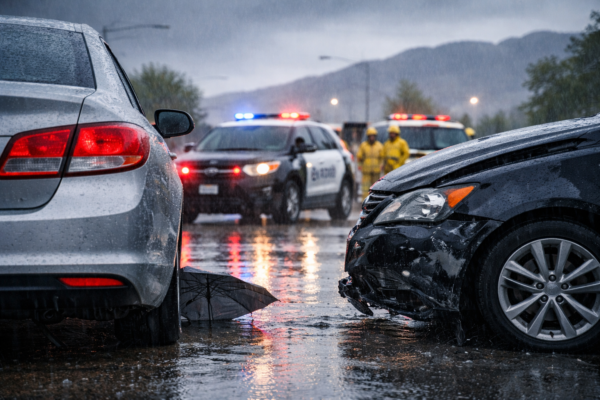
Rain reduces friction between tires and pavement, causing vehicles to slide more easily. Even moderate precipitation can affect braking distance significantly, leading to collisions at intersections or on highways. Common scenarios include rear-end crashes when following drivers fail to leave adequate space, side-impact accidents when turning, and single-vehicle incidents from skidding or hydroplaning. Drivers in El Paso should always account for these conditions and adjust speed and distance accordingly. When these precautions are ignored, Texas law considers the driver negligent, which affects fault allocation.
The Legal Framework for Fault in Texas
Texas applies modified comparative negligence. This means that each driver’s responsibility is assessed as a percentage. If you share fault but are under 51 percent responsible, you may recover compensation; otherwise, recovery is barred. Wet roads complicate these calculations because multiple parties may have contributed to the accident. For instance, if one driver hydroplanes and strikes another vehicle, both drivers’ actions and decisions during the rainstorm are examined to determine their share of negligence. Documentation and evidence become critical in presenting a strong case.


Enrique Chavez
Texas Trial Attorney
Protecting Your Rights
Documenting Evidence After a Wet Road Accident
Proper documentation can make or break a claim. Immediately following an accident, drivers should:
- Take clear photographs of the scene, including road conditions, skid marks, and damage to vehicles
- Record eyewitness statements detailing vehicle speed, behavior, and environmental conditions
- Collect official weather reports confirming precipitation at the time of the accident
- Keep medical records, repair estimates, and insurance correspondence
Chavez Law Firm emphasizes gathering this information quickly to support accurate fault assessment and protect clients from insurance adjusters who may attempt to minimize compensation by citing adverse weather as a contributing factor.
Hydroplaning and Vehicle Control
Hydroplaning is a common cause of accidents in April rain. It occurs when water creates a thin layer between tires and the road, leading to loss of steering control. Texas courts examine whether the driver acted reasonably given the conditions. Factors include:
- Vehicle speed relative to road wetness
- Tire condition and tread depth
- Driver response to skidding or loss of control
Even cautious drivers can hydroplane unexpectedly. If another driver’s negligence contributed to the accident, comparative fault percentages may shift, affecting the damages awarded.
– Steve Hendrix – Adriana Solis – Luis Amador – Maria Terrazas


Impact of Road Design and Maintenance
Roadway conditions can amplify wet road risks. Poorly maintained streets with potholes, uneven surfaces, or poor drainage can increase hydroplaning risk. Traffic control devices, lane markings, and road curvature also play a role in determining fault. A driver who fails to adapt to these conditions may be deemed negligent. Conversely, municipalities may bear partial responsibility if poor infrastructure contributed to the crash. Chavez Law Firm routinely investigates these aspects to strengthen claims and ensure all parties’ responsibilities are accurately reflected.
Insurance Considerations for Rain-Related Accidents
Insurance companies evaluate fault based on accident reports, statements, and physical evidence. In rainy conditions, insurers often scrutinize:
- Vehicle speed compared to posted limits and weather conditions
- Brake and tire performance
- Driver attentiveness and defensive maneuvers
Presenting thorough evidence helps prevent insurers from unfairly assigning blame and ensures clients receive the compensation they deserve. Attorneys can negotiate with insurers to account for the nuances of wet road incidents.
Long-Term Implications of Wet Road Crashes
Rain-related collisions often result in more than immediate vehicle damage. Injuries from sudden impacts or loss of control can cause lasting medical and financial burdens. Pain and suffering, lost wages, rehabilitation costs, and vehicle replacement must all be documented. Having an experienced legal team like Chavez Law Firm ensures that clients’ claims accurately reflect the full impact of the accident.
Steps to Take Immediately After a Rain-Related Collision
- Ensure personal safety and call emergency services.
- Document the scene with photographs, notes, and witness information.
- Obtain medical evaluation even if injuries seem minor.
- Report the accident to your insurance company, avoiding admissions of fault.
- Consult a qualified car accident attorney for guidance on liability and compensation.
Comparative Fault Examples in Rain Conditions
Consider a scenario where two cars collide on a wet road. Driver A is traveling slightly over the speed limit, while Driver B brakes abruptly. Both drivers may share fault: Driver A for excessive speed in adverse conditions and Driver B for sudden braking without warning. Texas courts allocate percentages, and damages are reduced accordingly. Chavez Law Firm can help clients accurately document these scenarios to ensure fair liability distribution.
How an Attorney Protects Your Interests
Legal representation ensures that claims reflect reality rather than assumptions. An attorney:
- Reviews police reports, accident reconstructions, and weather data
- Collects and preserves critical evidence
- Determines comparative fault percentages
- Advocates for full compensation for medical costs, lost income, and pain and suffering
With rain increasing accident risks in El Paso, timely and experienced legal guidance is essential for fair outcomes.
Preventing Wet Road Accidents
While accidents may not always be preventable, drivers can reduce risks by:
- Slowing down and maintaining extra distance during rain
- Ensuring tires are in good condition with proper tread depth
- Avoiding sudden braking and sharp turns
- Remaining vigilant for standing water, debris, or potholes
These precautions reduce the likelihood of collisions and may limit liability if an accident occurs.
Protecting Your Rights in April Rain Accidents
April rain brings hazards that significantly affect fault and liability in Texas. Documenting evidence, understanding comparative negligence, and working with a skilled legal team like Chavez Law Firm in El Paso can ensure accident victims are treated fairly. From hydroplaning to complex multi-vehicle collisions, wet roads require careful attention to detail in both driving and legal strategy. Prompt action and professional guidance protect your rights and maximize potential recovery.
If you were involved in a car accident during wet conditions, contact Chavez Law Firm in El Paso for a free consultation. Our attorneys can guide you through liability assessment, documentation, and insurance negotiations to protect your interests and pursue the compensation you deserve.
Disclaimer: This content is for informational purposes only and is not legal advice. Consult an attorney about your specific situation.
To learn more about this subject click here: Differences Between Truck Accident Claims and Car Crash Claims

|
|
|