
Texas summer festivals and public events can expose you to fall hazards, extreme heat, crowded walkways, cooking equipment, temporary structures, amusement attractions, and vehicle traffic. Common injuries include fractures, head injuries, heat illness, burns, spinal injuries, cuts, and pedestrian injuries.
When unsafe property conditions, poor crowd control, defective equipment, or careless driving causes an injury, a venue owner, organizer, vendor, contractor, security provider, manufacturer, or driver may be responsible. Getting medical care, reporting the incident, and preserving evidence can protect your health and help clarify your legal options.
A festival injury can involve several responsible businesses. Evidence showing who controlled the area or equipment can be as important as evidence showing how you were hurt.



Why Texas Summer Festivals Can Lead to Serious Injuries 
A festival may feel informal, but the event can involve many businesses and temporary operations. Organizers may work with food vendors, security companies, equipment rental companies, performers, transportation providers, parking operators, and temporary workers.
The event site may include uneven ground, electrical cords, portable flooring, tents, barricades, cooking stations, lighting equipment, rides, bleachers, stages, and crowded entrances. A failure in any part of that system can cause serious harm.
Not every festival injury results from negligence. A personal injury claim generally requires evidence that a person or business failed to use reasonable care and that the failure caused your injuries. Depending on the facts, a claim may involve premises liability, ordinary negligence, negligent security, product liability, or motor vehicle law.
You can learn more about unsafe property claims at:
https://chavezlawfirm.law/el-paso-premises-liability-lawyers/
Slip, Trip, and Fall Injuries
Falls are common at temporary event spaces because surfaces and walking paths may change throughout the day. You may encounter spilled drinks, food debris, wet grass, uneven pavement, loose mats, tent stakes, extension cords, poorly marked steps, or unstable flooring.
Common fall injuries include:
- Sprained ankles and torn ligaments
• Wrist, arm, hip, or leg fractures
• Knee injuries
• Back and neck injuries
• Concussions and other head injuries
• Cuts, bruises, and facial injuries
A property owner, event organizer, or vendor may be responsible when it knew or should have known about a dangerous condition and did not correct it or provide a reasonable warning. The answer often depends on who controlled the area, how long the hazard existed, and whether anyone had a reasonable opportunity to address it.
More information about these claims is available at:
https://chavezlawfirm.law/el-paso-slip-and-fall-lawyers/
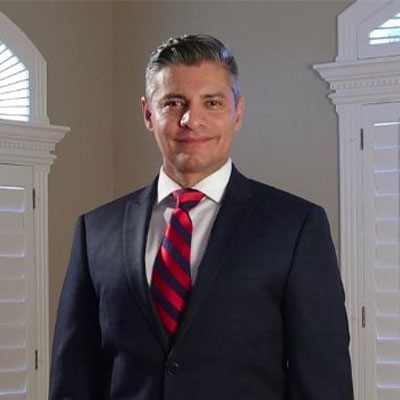
Enrique Chavez
Texas Trial Attorney
Protecting Your Rights
Heat Exhaustion, Heat Stroke, and Dehydration
Outdoor events in Texas can expose you to prolonged heat, direct sunlight, and physical exertion. El Paso summer conditions make access to water, shade, rest areas, and emergency assistance especially relevant.
Heat exhaustion may cause:
- Heavy sweating
• Weakness or dizziness
• Headache
• Nausea
• Muscle cramps
• Fainting
Heat stroke is a medical emergency. Warning signs may include confusion, loss of consciousness, seizures, or a dangerously high body temperature. Call 911 when someone shows signs of heat stroke or cannot safely leave the heat.
Heat-related liability depends on the circumstances. Relevant questions may include whether an organizer restricted outside drinks, failed to provide promised water stations, ignored a person in visible distress, or delayed emergency care. When the injured person was working at the event, employment and workplace safety issues may also apply.
Burn Injuries From Food, Fireworks, and Electrical Equipment
Festivals often use grills, fryers, warming trays, generators, lighting systems, pyrotechnics, and temporary electrical connections. These features can cause burns when equipment is defective, poorly maintained, placed too close to guests, or operated without adequate safeguards.
Burn injuries may result from:
- Hot grease, beverages, or cooking surfaces
• Open flames or fireworks
• Electrical contact
• Generator or equipment fires
• Chemical exposure
• Hot metal seating, railings, or barriers
Serious burns may require emergency treatment, wound care, surgery, rehabilitation, and treatment for scarring or disfigurement. Responsibility may rest with a food vendor, equipment supplier, contractor, manufacturer, or event organizer.
Learn more about burn injury claims at:
https://chavezlawfirm.law/el-paso-burn-injury-attorneys/
Crowd-Related Injuries and Negligent Security
Large crowds can create pressure at gates, stages, vendor lines, and exits. You may be knocked down, pinned against a barrier, or injured during a sudden rush. Poor security or crowd management can also increase the risk of fights, assaults, and other foreseeable incidents.
A negligent security claim may arise when an operator fails to take reasonable precautions against a foreseeable danger. Evidence may include:
- Attendance estimates and ticket records
• Staffing and crowd-control plans
• Security contracts
• Prior incidents
• Surveillance recordings
• Lighting and exit conditions
• Emergency response records
An injury caused by another guest does not automatically make the venue responsible. The investigation must address whether the danger was reasonably foreseeable and whether the responsible party took reasonable precautions.
More information is available at:
https://chavezlawfirm.law/negligent-security-injury-cases/
– Steve Hendrix – Adriana Solis – Luis Amador – Maria Terrazas


Injuries From Rides, Inflatables, Stages, and Temporary Structures
Festivals may include carnival rides, bounce houses, climbing walls, mechanical attractions, stages, tents, bleachers, and portable seating. These structures can fail because of poor assembly, inadequate anchoring, operator error, overcrowding, missing inspections, or defective parts.
Possible injuries include:
- Broken bones
• Head and brain injuries
• Neck and spinal injuries
• Shoulder injuries
• Cuts and puncture wounds
• Crush injuries
Wind can create added risks for tents, inflatables, stages, and other temporary structures. Operators may need to monitor weather conditions, follow manufacturer instructions, and stop operations when conditions exceed safety limits.
Several parties may share responsibility. An organizer may have selected the contractor. A rental company may have installed the equipment. An operator may have exceeded capacity limits. A manufacturer may have supplied a defective component. Contracts, maintenance records, inspection logs, photographs, and videos can help identify who controlled the attraction.
Pedestrian and Parking Lot Injuries
Festival risks can extend into parking lots, rideshare zones, shuttle stops, and nearby crossings. Poor lighting, confusing traffic patterns, distracted driving, blocked views, and weak separation between pedestrians and vehicles may contribute to a collision.
A pedestrian can suffer fractures, internal injuries, brain injuries, or spinal trauma even when a vehicle is moving at a relatively low speed. The driver may be responsible, but an event organizer, parking operator, shuttle company, or property owner may also be involved when unsafe traffic planning contributed to the crash.
Learn more about liability after a pedestrian collision at:
https://chavezlawfirm.law/who-is-liable-after-a-pedestrian-accident-in-el-paso/
What to Do After an Injury at a Texas Festival
Your health comes first. Ask event staff to call emergency medical services when needed, or seek prompt medical care after leaving the venue. Concussions, internal injuries, heat illness, and soft-tissue injuries may not be immediately obvious.
When you can act safely:
- Report the incident to event staff and ask for a copy of the report.
• Photograph the hazard, surrounding area, lighting, signs, barriers, and visible injuries.
• Collect names and contact information from witnesses.
• Save your ticket, receipt, wristband, parking record, event messages, and photographs.
• Keep damaged clothing, shoes, or personal items.
• Write down what happened while the details remain clear.
• Avoid posting details about the incident or your recovery on social media.
• Do not provide a recorded statement until you know who is requesting it and how it may be used.
Follow your medical provider’s instructions. Keep copies of medical bills, records, prescriptions, work restrictions, and proof of lost income.
Who May Be Responsible for a Festival Injury?
Potentially responsible parties may include:
- The property owner
• The event promoter or organizer
• A city contractor
• A security provider
• A food or merchandise vendor
• An equipment rental company
• A ride or attraction operator
• A product manufacturer
• A parking or shuttle operator
• A transportation company
• A negligent driver
Control is a central issue. The party that owned the property may not have controlled the walkway where you fell. The organizer may not have installed the stage. A vendor may have created a spill even though another company managed the venue. A proper investigation examines contracts, insurance policies, maintenance responsibilities, and the actions of each party.
Claims involving a city or another governmental entity can have special notice rules. Those rules may require action before the deadline that applies to an ordinary personal injury lawsuit.
Texas Filing Deadlines and Shared Fault Rules
Texas generally gives a person two years to file many personal injury lawsuits. Exceptions can change when the period begins or ends, and claims involving governmental entities may require earlier notice.
Texas also follows proportionate responsibility rules. Your compensation may be reduced by your percentage of responsibility. When your percentage of responsibility is greater than 50 percent, you generally cannot recover damages under the rule.
Do not rely on the general two-year period as a reason to delay. Festival footage may be overwritten, temporary structures may be removed, witnesses may become difficult to locate, and vendors may leave the area soon after the event.
How Chavez Law Firm Can Help After a Festival Injury
A festival injury claim may require more than identifying the person who was nearby. Your attorney may need to determine who controlled the property, hired the vendors, inspected the equipment, planned pedestrian traffic, managed the crowd, maintained the walkway, or carried the applicable insurance.
Chavez Law Firm represents injured people in El Paso, Texas, and nearby areas. The firm can review incident reports, contracts, surveillance recordings, medical records, witness accounts, and insurance information to help you understand your legal options.
Call (915) 533-7773 or visit:
https://chavezlawfirm.law/contact-us/
The initial case evaluation is free.
This article is for informational purposes only and is not legal advice. Speak with an attorney about your specific situation.

|
|
|